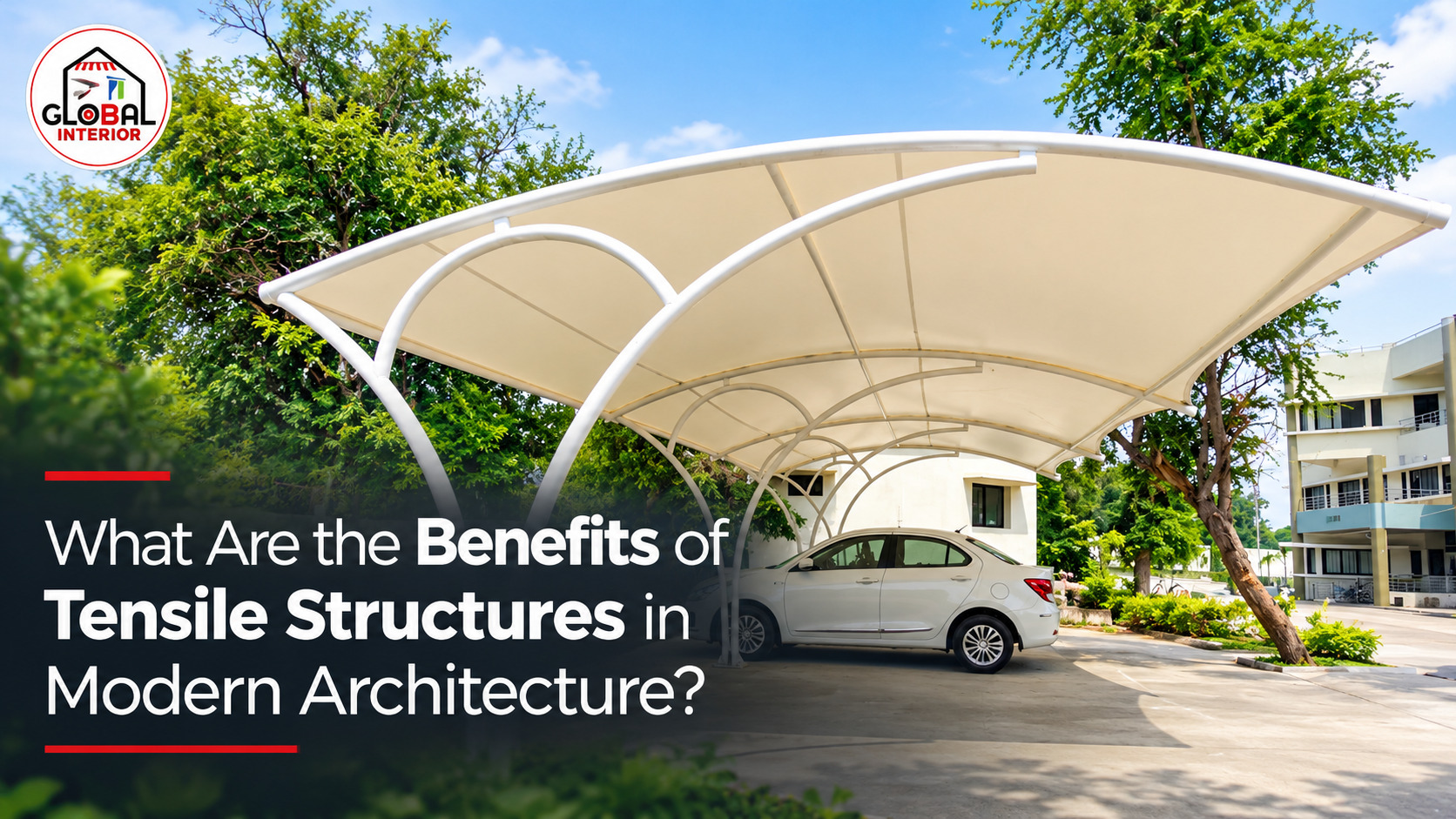
Modern architecture is evolving with innovative designs that combine visual appeal, functionality, durability, and sustainability. One such innovation is the tensile structure, a lightweight architectural solution that creates attractive, spacious, and functional covered areas without requiring numerous internal support columns. From shopping complexes and commercial buildings to parking areas, resorts, and outdoor event venues, tensile structures are becoming an increasingly popular roofing choice.
The primary benefits of tensile structures include lightweight construction, flexible design possibilities, efficient space utilisation, natural lighting options, and relatively quick installation. When designed with suitable materials and proper engineering, these structures can provide reliable protection against sunlight, rain, and other environmental conditions.
Whether you are planning a commercial entrance, a car parking area, a restaurant outdoor space, or an architectural canopy, understanding the advantages of tensile structures can help you make an informed decision.
What Is a Tensile Structure?
A tensile structure is an architectural system that uses tensioned materials, such as specialised architectural fabrics or membranes, supported by cables, steel frames, masts, or other structural components. Unlike conventional roofs that primarily rely on rigid beams and slabs, tensile roofing systems use carefully engineered tension to maintain their shape and distribute loads.
Common materials include PVC-coated polyester fabric and PTFE-coated fibreglass membranes. The appropriate material depends on the project's design, budget, environmental conditions, and expected lifespan.
Tensile fabric architecture is widely used for entrance canopies, walkways, parking shelters, sports facilities, shopping centres, and outdoor recreational spaces. Its distinctive curves and contemporary appearance make it suitable for both functional and decorative architectural applications.
10 Major Benefits of Tensile Structures in Modern Architecture
1. Lightweight Construction and Efficient Space Utilisation
One of the biggest advantages of tensile structures is their lightweight construction. Compared with many conventional roofing systems, tensile membrane structures can provide extensive covered areas without requiring heavy roofing materials throughout the structure.
Their design can reduce the need for multiple internal columns, depending on the span and engineering requirements. This creates more open and usable space for vehicles, pedestrians, customers, and outdoor activities.
For example, commercial properties can use tensile roofing systems to cover parking areas while maintaining convenient vehicle movement. Similarly, restaurants and resorts can create attractive outdoor seating areas without making the space feel enclosed.
2. Attractive and Contemporary Architectural Designs
Modern tensile structure designs offer considerable creative freedom. Architectural membranes can be shaped into curves, peaks, waves, and other distinctive forms that give buildings a modern appearance.
These structures are particularly useful when architects want to combine practical shelter with visual appeal. A well-designed tensile canopy can enhance the appearance of a building entrance, shopping complex, hotel, showroom, or public space.
Businesses can also select suitable fabric colours, structural finishes, and design configurations to complement their branding and architectural style.
For commercial properties, this combination of functionality and aesthetics makes tensile fabric architecture an attractive alternative to conventional roofing.
3. Natural Lighting and Improved Outdoor Comfort
Certain tensile membrane materials allow diffused daylight to pass through, depending on their composition and thickness. This can reduce the need for artificial lighting during daylight hours in suitable applications.
The result is a covered area that feels brighter and more welcoming than a completely enclosed structure with an opaque roof.
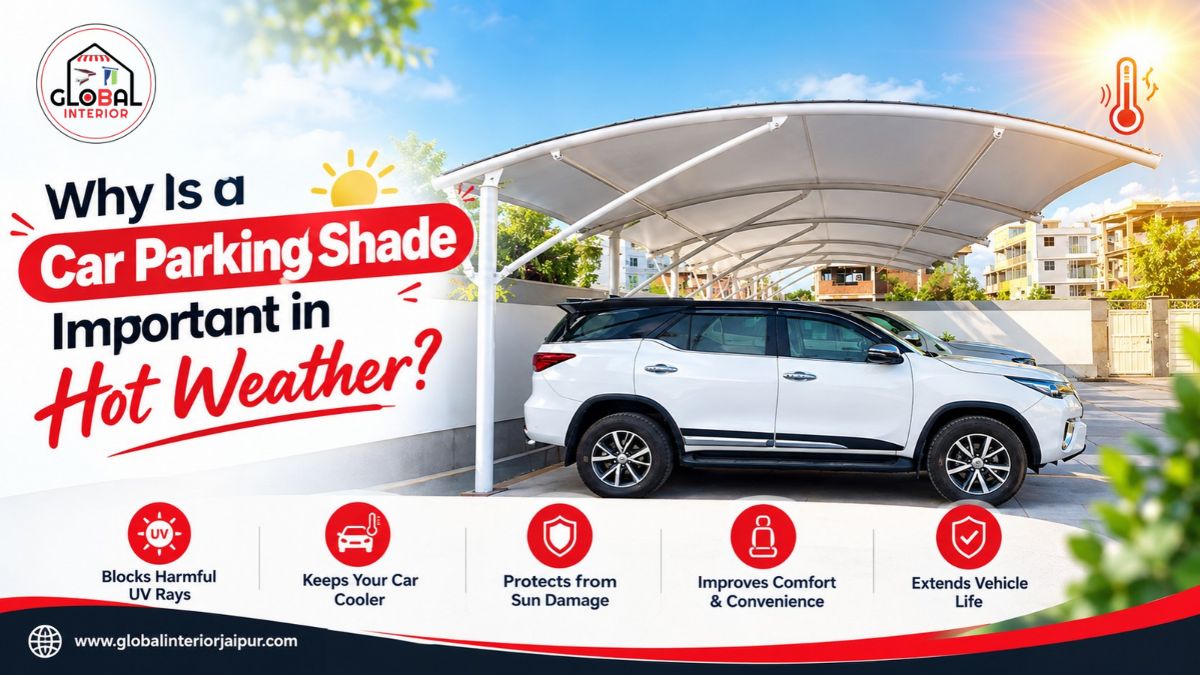
Tensile roofing can also provide shade in outdoor spaces, helping reduce direct exposure to sunlight. In warm climates, such as Jaipur, properly designed car parking shades and commercial canopies can make outdoor areas more comfortable.
However, the level of heat reduction depends on fabric colour, solar reflectance, ventilation, orientation, and the overall design. Tensile structures do not automatically eliminate heat, so material selection is important.
4. Faster Installation and Reduced Construction Disruption
Many tensile structures use prefabricated steel components, prepared membrane panels, and engineered connection systems. These components can simplify on-site assembly when the project has been properly planned.
Compared with some conventional construction methods, tensile roofing systems may require less on-site fabrication and can be installed relatively quickly.
This can benefit commercial properties where prolonged construction could interfere with daily operations. For example, a business may need a new entrance canopy or parking shelter without undertaking extensive building alterations.
Actual installation time depends on the structure's size, foundation requirements, site conditions, design complexity, and weather.
5. Cost-Effective Roofing Solutions
Cost is an important consideration when selecting a roofing system. Tensile structures can be cost-effective because their lightweight design, prefabricated components, and efficient installation may reduce certain construction expenses.
They can also provide extensive coverage without the need for a fully enclosed building, making them suitable for parking areas, outdoor seating, walkways, and event spaces.
However, the total cost depends on several factors, including:
- Size and span of the structure
- Type and quality of membrane fabric
- Steel framework and cable requirements
- Foundation and anchoring arrangements
- Wind and other structural load requirements
- Installation, maintenance, and transportation expenses
When comparing quotations, consider the entire project cost rather than just the initial fabric or installation price. A properly engineered structure with suitable materials may offer better long-term value than a cheaper alternative that requires frequent repairs.
6. Weather Protection and Durability
Weather-resistant tensile structures can provide valuable protection against direct sunlight and rainfall when designed with suitable membranes, drainage, anchoring, and structural support.
They are commonly used to cover vehicle parking areas, pedestrian walkways, outdoor dining spaces, and commercial entrances.
High-quality architectural fabrics are selected for properties such as tensile strength, flexibility, UV resistance, and resistance to environmental exposure. However, performance varies according to the material specification and environmental conditions.
In locations exposed to strong winds, heavy rainfall, or extreme weather, structural engineering is particularly important. The design should account for relevant wind loads, drainage requirements, membrane tension, and anchoring.
Regular inspections and appropriate maintenance can help identify loose connections, fabric damage, corrosion, and drainage problems before they become serious.
7. Versatile Applications Across Different Industries
Tensile structures are not limited to one type of building or business. Their adaptable designs make them suitable for numerous architectural applications.
Common tensile structure applications include:
- Commercial buildings: Entrance canopies, reception areas, and covered customer spaces.
- Parking facilities: Car parking shades for offices, shopping complexes, hospitals, and residential developments.
- Educational institutions: Covered walkways, assembly areas, and outdoor activity spaces.
- Sports facilities: Spectator seating, courts, and recreational areas.
- Hospitality businesses: Outdoor restaurant seating, resort walkways, and event venues.
- Industrial properties: Selected loading areas, covered pathways, and designated outdoor workspaces.
- Public spaces: Bus shelters, pedestrian passages, and recreational facilities.
This versatility allows architects, developers, and property owners to choose a design that meets their functional requirements while complementing the surrounding environment.
8. Flexible Designs for Different Project Requirements
Every architectural project has different space, appearance, and performance requirements. Tensile structures offer flexibility in terms of shape, span, height, colour, and support configuration.
For instance, a small retail shop may require a compact entrance canopy, while a commercial complex may need a large tensile roof covering multiple parking spaces.
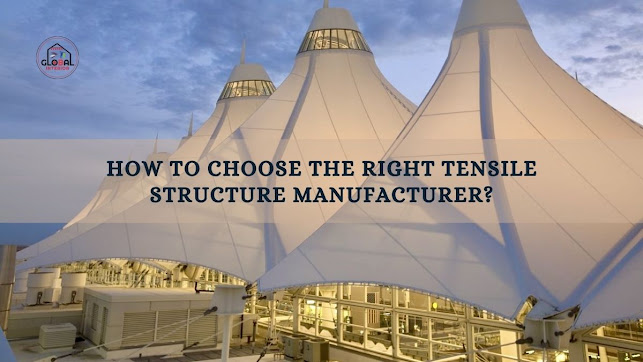
Designers can explore conical, curved, cantilevered, and other membrane configurations depending on the project. The final design must account for structural stability, fabric tension, drainage, wind exposure, and the intended use of the covered area.
This adaptability makes tensile structures a practical option for both new construction and selected renovation projects.
9. Potential Energy and Material Efficiency Benefits
The lightweight nature of tensile membrane structures can reduce the amount of roofing material needed for certain applications compared with heavier alternatives. Their ability to admit diffused daylight may also reduce daytime lighting requirements in suitable spaces.
Some projects may therefore benefit from lower material demand and reduced electricity consumption.
Nevertheless, the environmental performance of a tensile structure depends on its complete lifecycle, including manufacturing, transportation, installation, maintenance, replacement, and end-of-life disposal.
Choosing durable materials, designing for the local climate, and maintaining the structure properly can support better long-term performance.
10. A Modern Solution for Commercial Properties
Businesses increasingly use architectural design to create distinctive and welcoming spaces. Tensile structures can help commercial properties achieve this goal without requiring a conventional enclosed roof throughout the area.
For example, a showroom can use a tensile canopy to create a covered customer entrance, while a restaurant can install a membrane structure over an outdoor seating area.
Similarly, a commercial building can incorporate tensile roofing to provide shaded pedestrian access or covered parking.
For businesses seeking a combination of contemporary appearance, practical coverage, and design flexibility, tensile structures offer a useful architectural option.
How to Choose the Right Tensile Structure for Your Project
Selecting the right tensile roofing system requires more than choosing an attractive design. Consider the following factors before making a decision.
1. Define the purpose: Determine whether the structure is intended for parking, a commercial entrance, a walkway, an outdoor seating area, or another application.
2. Select suitable materials: Compare fabric specifications, UV resistance, tensile strength, expected service life, and maintenance requirements.
3. Evaluate local weather conditions: Account for wind exposure, rainfall, drainage, and other relevant environmental loads.
4. Check structural design: Ensure that the supporting framework, foundations, anchoring, and membrane tension are appropriate for the proposed span and site.
5. Compare complete quotations: Review material quality, fabrication, installation, warranties, maintenance recommendations, and applicable safety requirements.
6. Consider long-term value: Evaluate durability, repairability, and maintenance costs instead of selecting a structure based only on its initial price.
Working with an experienced professional can help ensure that the design meets your project's functional, aesthetic, and engineering requirements.
Why Choose a Tensile Structure Shop?
Jaipur's commercial buildings, retail spaces, educational institutions, hospitality properties, and residential developments can benefit from well-planned tensile roofing solutions. These structures can provide shade and weather protection while adding a contemporary appearance to outdoor areas.
When searching for a tensile structure shop in Jaipur, look for a provider that understands your project requirements and can recommend suitable materials, designs, and installation methods.
A reliable provider should be able to explain fabric specifications, steel framework options, structural calculations, installation procedures, and maintenance requirements.
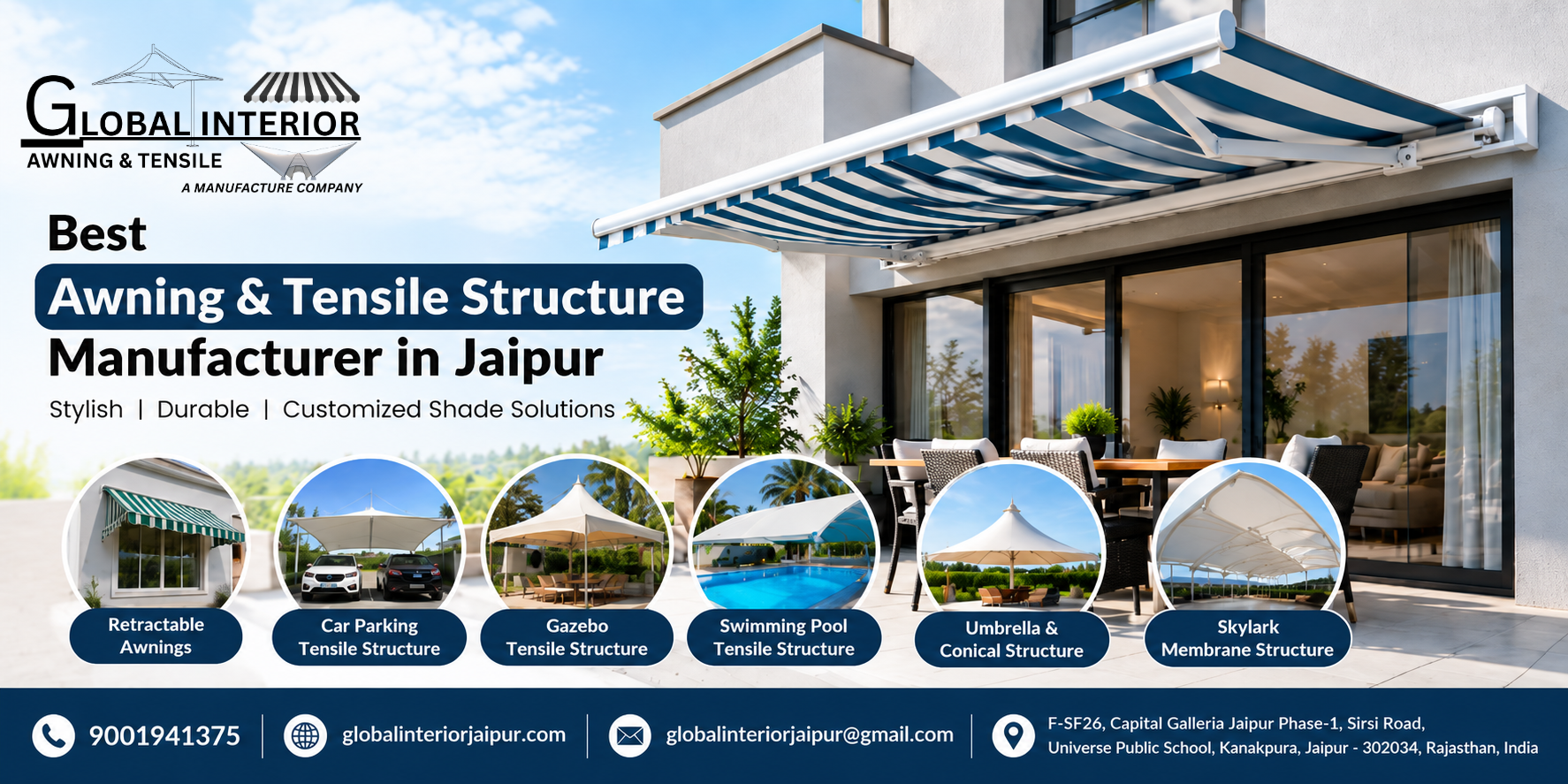
Similarly, choosing an experienced tensile structure manufacturer in Jaipur can help you explore customised solutions for parking shades, entrance canopies, commercial roofing, walkways, and other applications.
Before finalising a supplier, review previous projects, material specifications, workmanship, warranty terms, and the proposed structural design. These checks can help you make a more informed investment.
Conclusion
Tensile structures are transforming modern architecture by combining lightweight construction, distinctive designs, versatile applications, and practical roofing solutions. Their ability to create attractive covered spaces makes them useful for commercial buildings, parking facilities, hospitality properties, educational institutions, and public areas.
From improved outdoor comfort to flexible architectural possibilities, the benefits of tensile structures make them worth considering for projects that require functional and visually appealing coverage.
If you are planning a new roofing project, compare material quality, design options, structural requirements, and long-term maintenance before choosing a solution. Working with a reliable tensile structure shop in Jaipur or an experienced tensile structure manufacturer in Jaipur can help you identify an option that suits your space, budget, and performance requirements